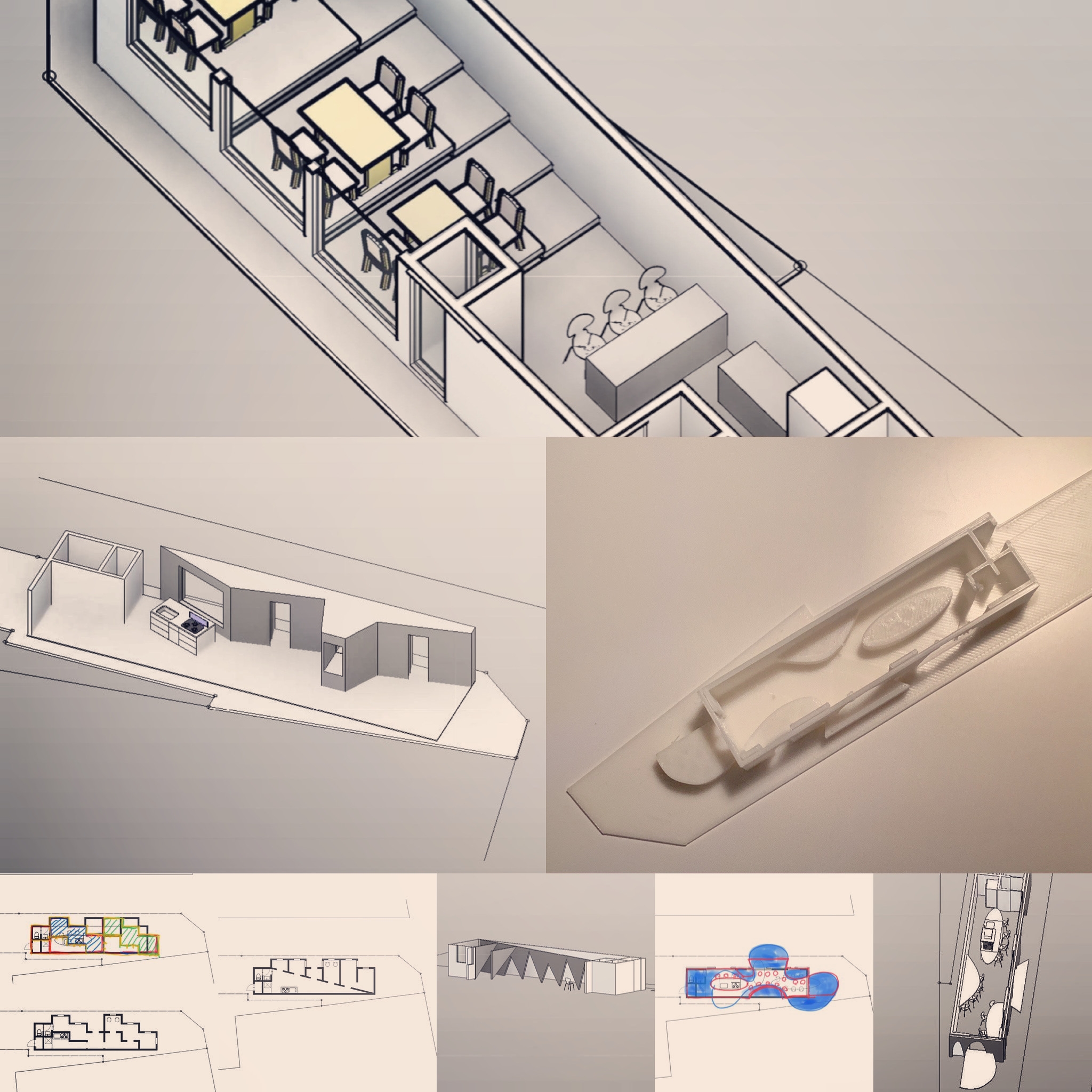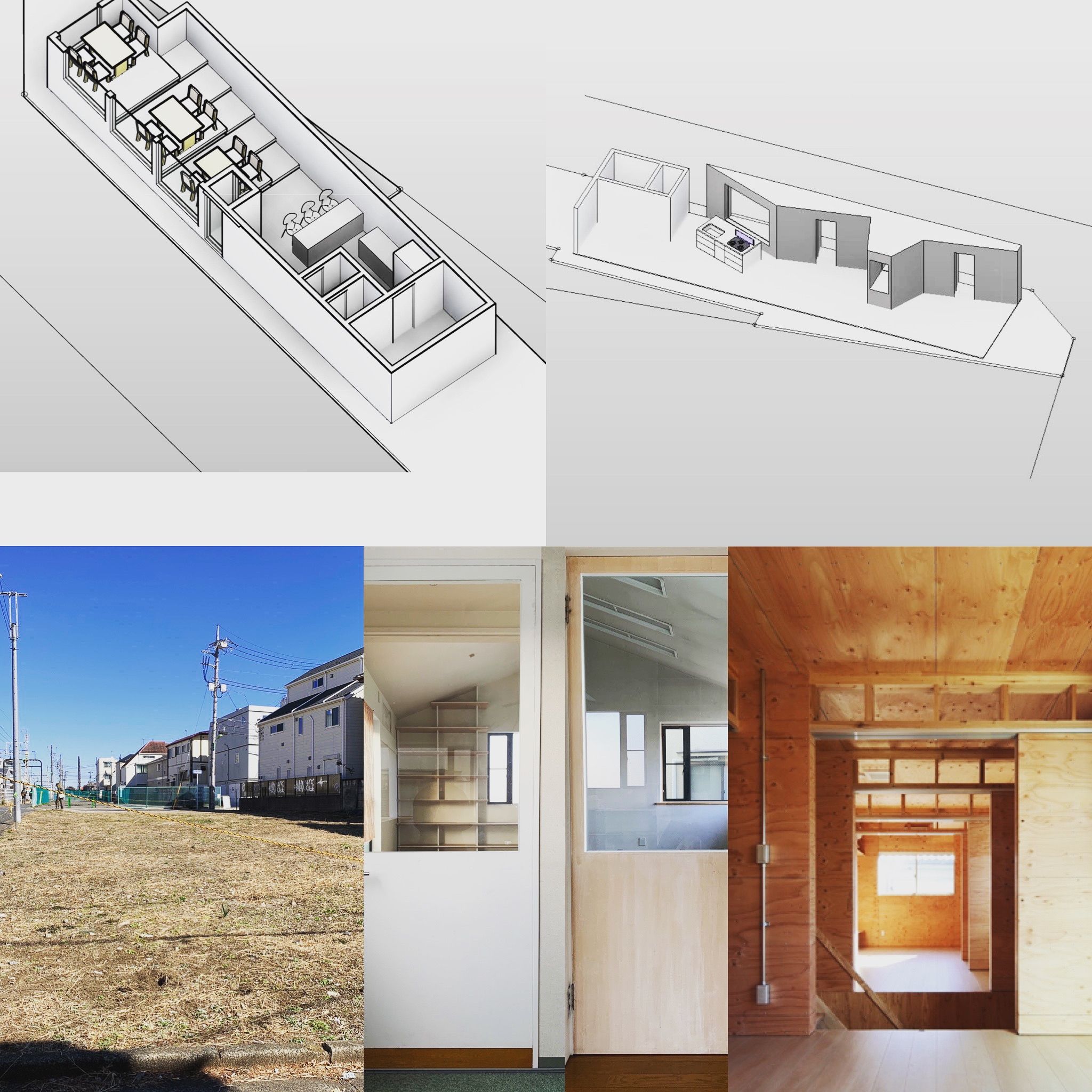
壁の厚さ再考

誰も疑問に思わないこと、例えば、壁の厚さは部材の厚さで決まっている。部材の厚さに関連することは、見た目の仕上げの意匠や構造、設備の配管、断熱であるが、壁が厚くなる程、その分実際に使える空間が狭くなるので、壁はなるべく薄くしたいという前提がある。

極限まで壁を薄くする手法は今までも見られた。例えば、鉄板で壁をつくり、設備の配管は露出にし、断熱は壁に断熱塗料を塗り、もちろん構造は壁を鉄板にすることで担保されるので、壁の厚みは構造上の耐力で決まる。見た目の仕上げの意匠は鉄板の質感で十分である。
95762655-F650-47DF-AA9D-3B4A5269C278.jpeg

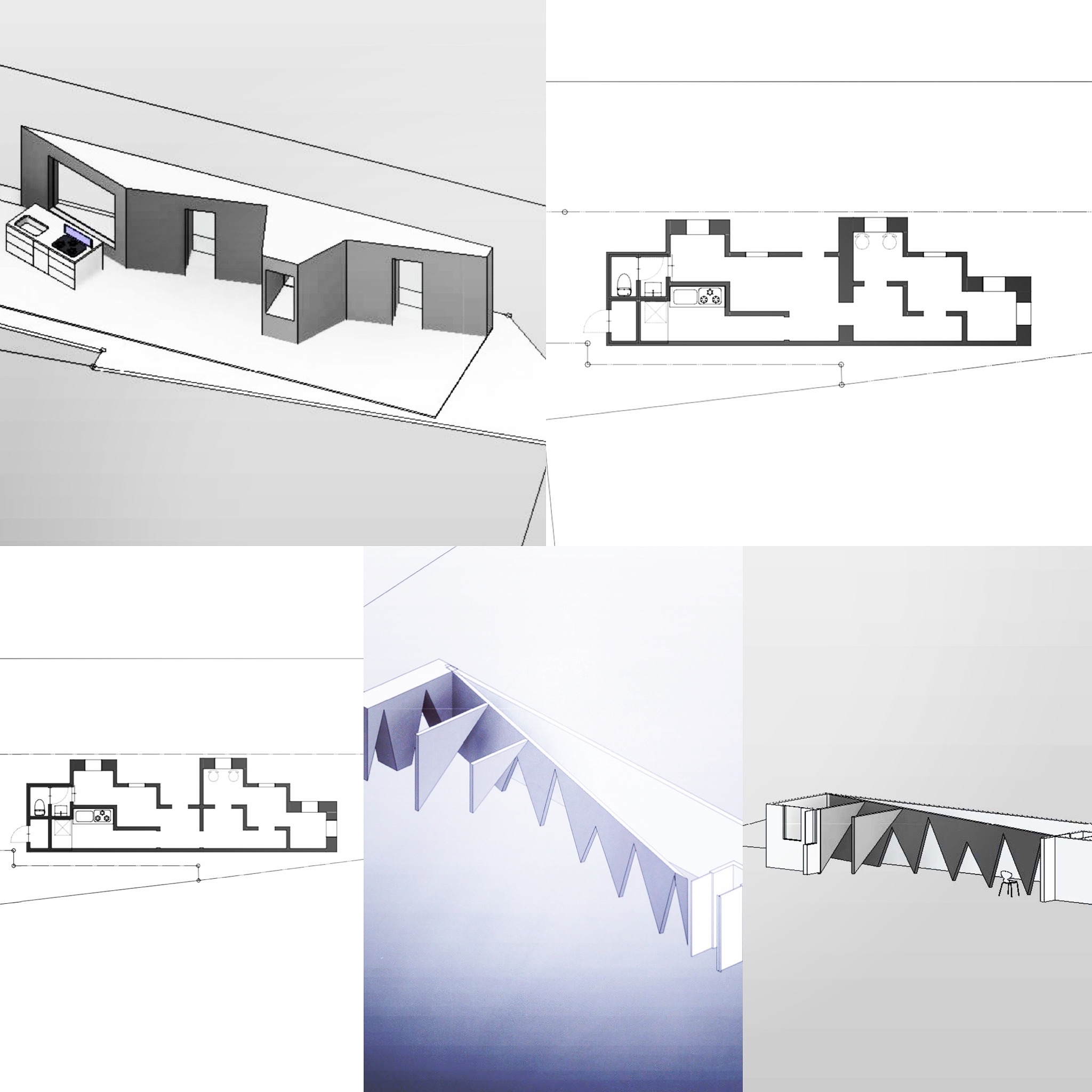
壁の厚さが部材の厚さで決らない場合があるだろうかと考えた。その場合は壁の厚さ自体に意匠上重要な意味がある場合であり、壁の厚さがデザイン要素となる場合である。

"Rethinking wall thickness"

No one wonders, for example, the thickness of the wall is determined by the thickness of the member. The things related to the thickness of the members are the design and structure of the appearance, the piping of the equipment, and the heat insulation, but the thicker the wall, the smaller the space that can actually be used, so the wall should be as thin as possible. There is a premise.

Techniques for thinning walls to the utmost have been seen. For example, the thickness of the wall is determined by the structural strength because the wall is made of iron plate, the piping of the equipment is exposed, the heat insulation is applied to the wall with heat insulating paint, and of course the structure is secured by making the wall an iron plate. The texture of the iron plate is sufficient for the visual finish.

I wondered if the wall thickness might not be determined by the thickness of the members. In that case, the wall thickness itself has an important design meaning, and the wall thickness is a design element.
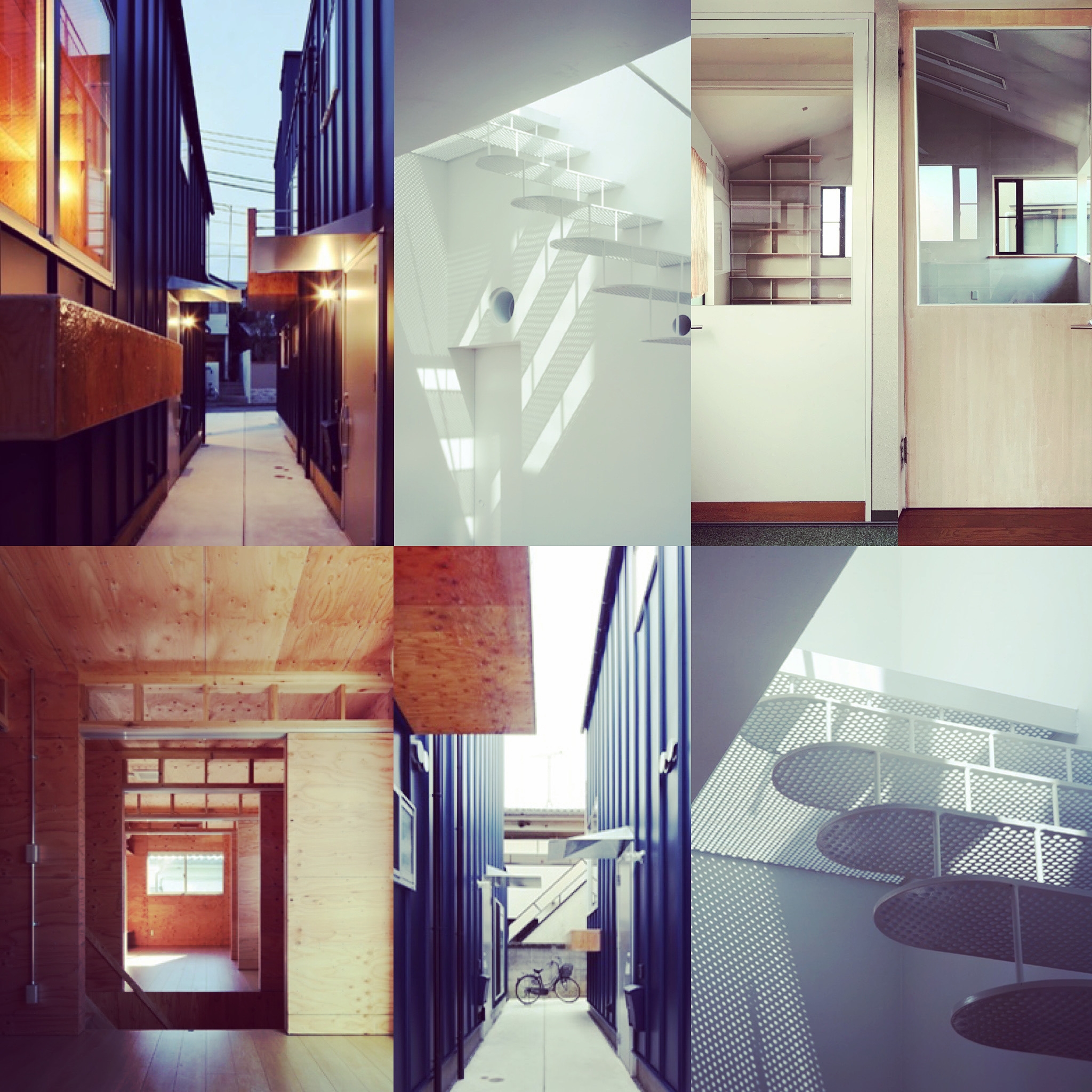
リンク

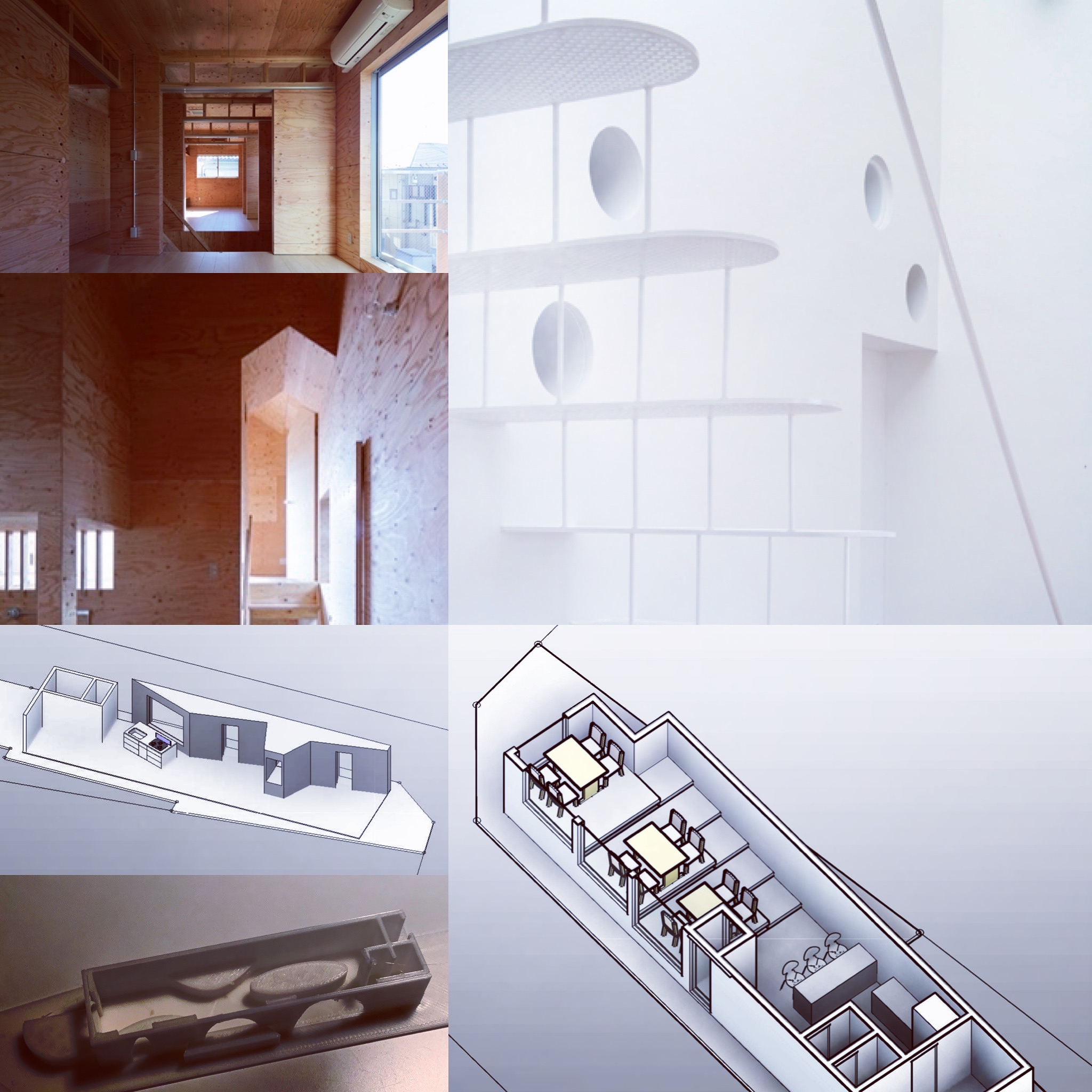
見えないところに可能性があるならば、どこだろうと考えた、建築の場合である、設計図で表現されていないところである。

設計図で表現されていないとは、全く記載がないか、慣例や当たり前のことで何も考えずにいつでもどこでも同じことが記載されているかである。

1FDF1461-B011-4811-A2EC-86F165883E6A.jpeg

前提条件が固定され疑いの余地が無い場合に起こることが考えないことであり、誰も疑問に思わない。そこにクリティカルな可能性があると思うし、それがデザインの素になる。

"Elementary"

I wondered where there was a possibility in the invisible place, in the case of architecture, where it is not represented in the blueprint.

What is not expressed in the blueprint is that there is no description at all, or that the same thing is described anytime and anywhere without thinking about customs or commonplace.

No one wonders what happens when the preconditions are fixed and unquestionable. I think there is a critical possibility, and that is the basis of design.

リンク

見えないところ

見えないところまで手を抜かないようにつくる、というのは何か、建築以外でも、料理や陶芸などのものをつくることならば、当てはまることだろう。手を抜かないのは当たり前だから、この場合、見えないところまで意識することが大事ということになる。

意識をすれば関心を持ち、見えないところに可能性を見出すかもしれない。普通は見えるところだけを考える。

建築の場合、見えるところは設計図で表現されているところだから、見えるところだけを考えていれば事は足りてしまい、見えないところまで意識をし可能性を見出さなくても完了する。

827EDACA-C618-4F48-ADE3-203770571AE7.jpeg

だから、見えないところまで意識するということは、はじめから意図して可能性を見出す目的がないとできない。

"Invisible place"

What does it mean to make things that you can't see without cutting corners? If you're making something other than architecture, such as cooking or ceramics, that's true. It is natural not to cut corners, so in this case, it is important to be aware of what you cannot see.

If you are conscious, you may be interested and find possibilities in the dark. Normally, only think about what you can see.

In the case of architecture, the visible part is represented by the blueprint, so it is enough to think only about the visible part, and it is completed without consciousness of the invisible part and finding the possibility.

Therefore, it is impossible to be conscious of the invisible part without the purpose of intentionally discovering the possibility from the beginning.

リンク

リアリティがない

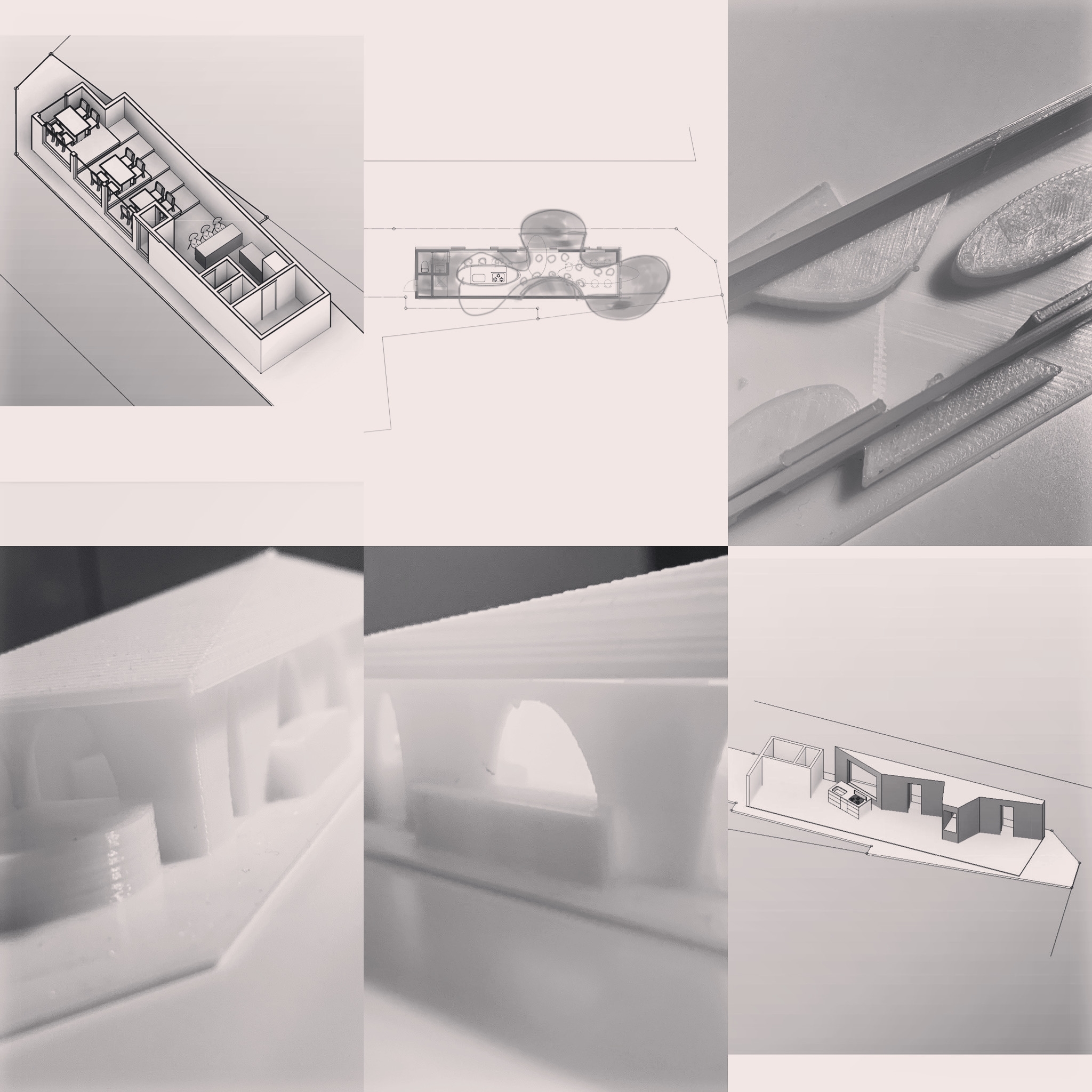
刻み、剥ぎ取り、また刻むを繰り返して生まれる空間には多彩な輪郭があると思う。主にリノベーションをイメージしたが、もしはじめから、新築の時から多彩な輪郭を表現できたならば、時間を味方につけたことになる。

8B2E9126-76D4-49A8-BAD1-0FB480AAD194.jpeg

何かが軽くもの足りない、薄っぺらい空間に感じる時はリアリティがないのだろう。リアリティにも種類があるが、実生活や暮らしではなくて、空間が今ここに存在しているリアリティであり、建築が存在していなければ何も起こらない渇望感のようなものである。

"No reality"

I think there are various contours in the space created by repeating chopping, peeling, and chopping. I mainly imagined renovation, but if I could express various contours from the beginning when it was newly built, I would have given time to my side.

When something feels light and lacking in a thin space, there may be no reality. There are different types of reality, but it's not real life or living, it's the reality that space exists here now, and it's like a thirst for nothing to happen without architecture.

リンク

単調で安直

空間に「重ねる」ことを考えていたら何か腑に落ちた。ずっと抱えていた違和感は、そこにつくろうとしていた空間がひとつの空間だけでできあがっていたからだ。

BD8CE620-60BA-406B-8D12-2957619BA479.jpeg

あまりにも軽薄で内容がないように思えた。全てを充足していながら、なのに何かが足りない感じがずっとしていた。単調で全てがわかりやすいが、そのわかりやすさが安直だった。

"Monotonous and easy"

When I was thinking of "overlapping" in the space, I fell in love with it. The discomfort he had had for a long time was that the space he was trying to create was created by only one space.

She seemed too frivolous and empty. Even though I was satisfied with everything, I always felt that something was missing. It was monotonous and easy to understand, but it was easy to understand.

リンク

重ねる

レイヤーを重ねるようにひとつの空間に幾重にも他の空間の輪郭のようなものを重ねていくことはすぐに思いつくことで、そもそも「レイヤー」という言葉が古臭く感じる。

3C4AEF77-55BA-4D1B-99EC-41C2553A923C.jpeg

重ねた部分と重なりがずれた部分が交互に現れて見えるか、ランダムに出現するかすれば、また違った意味で「レイヤー」に価値が出るかもしれず、リノベーションでは入れ子のように構成し、新築ではあらかじめ複数の空間を想定して重ねる。

"Stack"

It's easy to come up with the idea of layering layers in one space, like the contours of another space, and the word "layer" feels old-fashioned in the first place.

If overlapping parts and non-overlapping parts appear to appear alternately, or if they appear randomly, the "layer" may be valuable in a different sense. In renovation, it is configured like a nest, and in new construction. Overlay by assuming multiple spaces in advance.

リンク

空間に重ねる

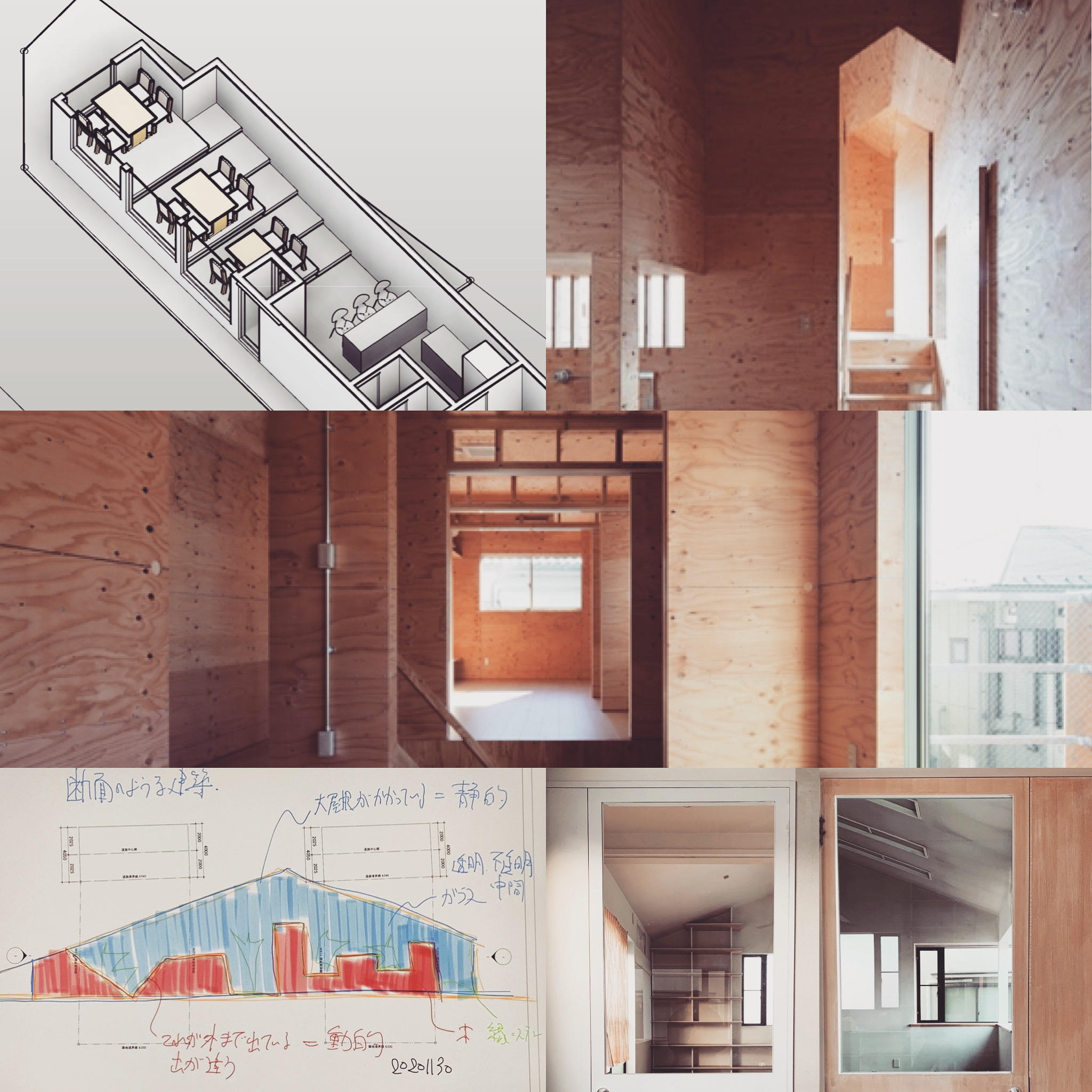
場所を選ぶようなことを、狭いながら、一歩違えば空間の見え方も違うような、そのくらい密度が濃い空間に仕上げてみたいと考えた。

上下左右の移動で空間が変わる、見え方が変わる。

F1C722A1-351D-4ED8-8220-0D002DA171D3.jpeg

ひとつの空間に、狭いから、幾重にも重ねて密度の濃さを出そうと考えると、重ねるものが何かが見えてくる。

"Overlay in space"

I wanted to create a space with such a high density that the appearance of the space would be different if one step was different, even though it was small, like choosing a place.

The space changes and the appearance changes by moving up, down, left and right.

Since it is small in one space, if you try to create a high density by stacking multiple layers, you can see what is layered.

リンク