境界線を越えろ

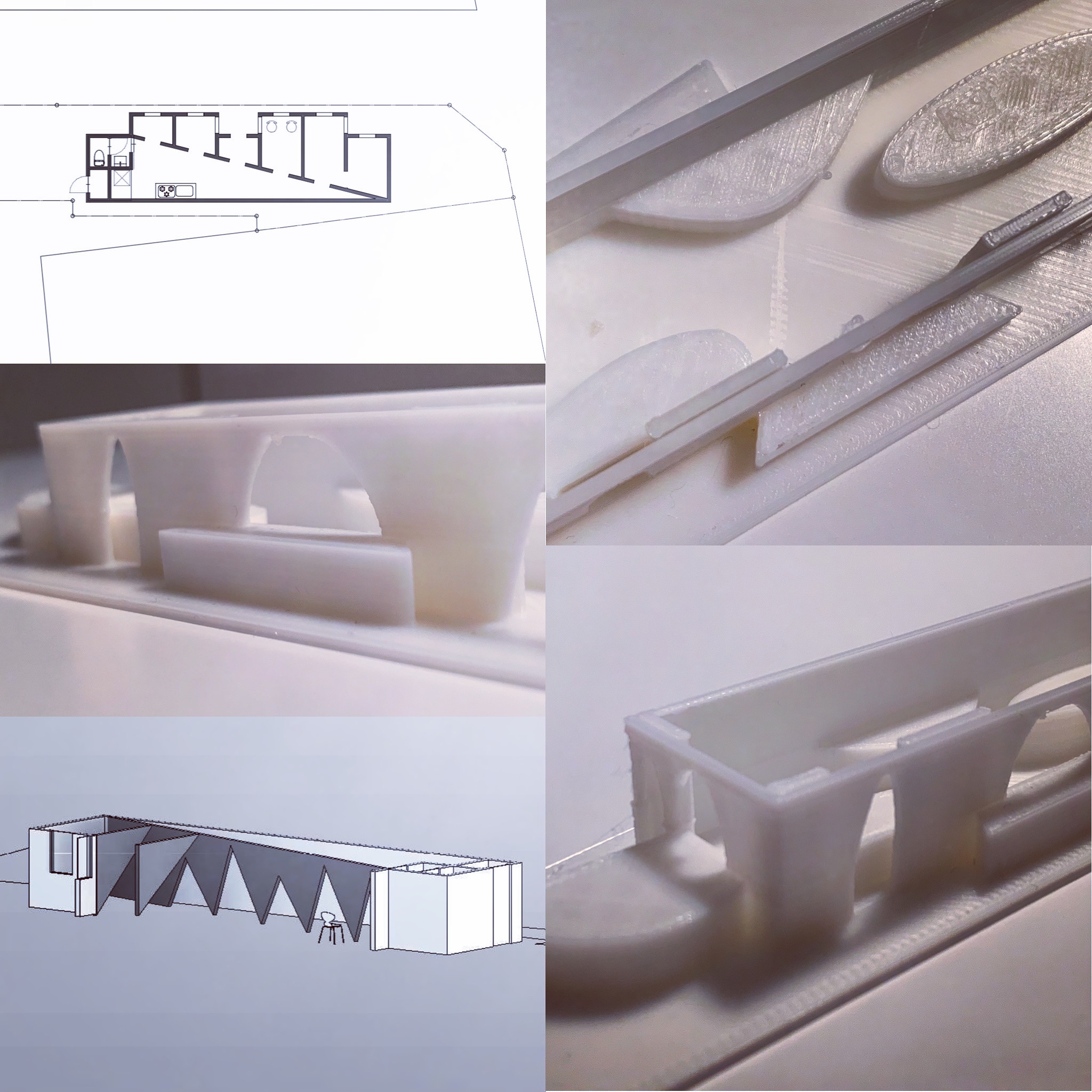
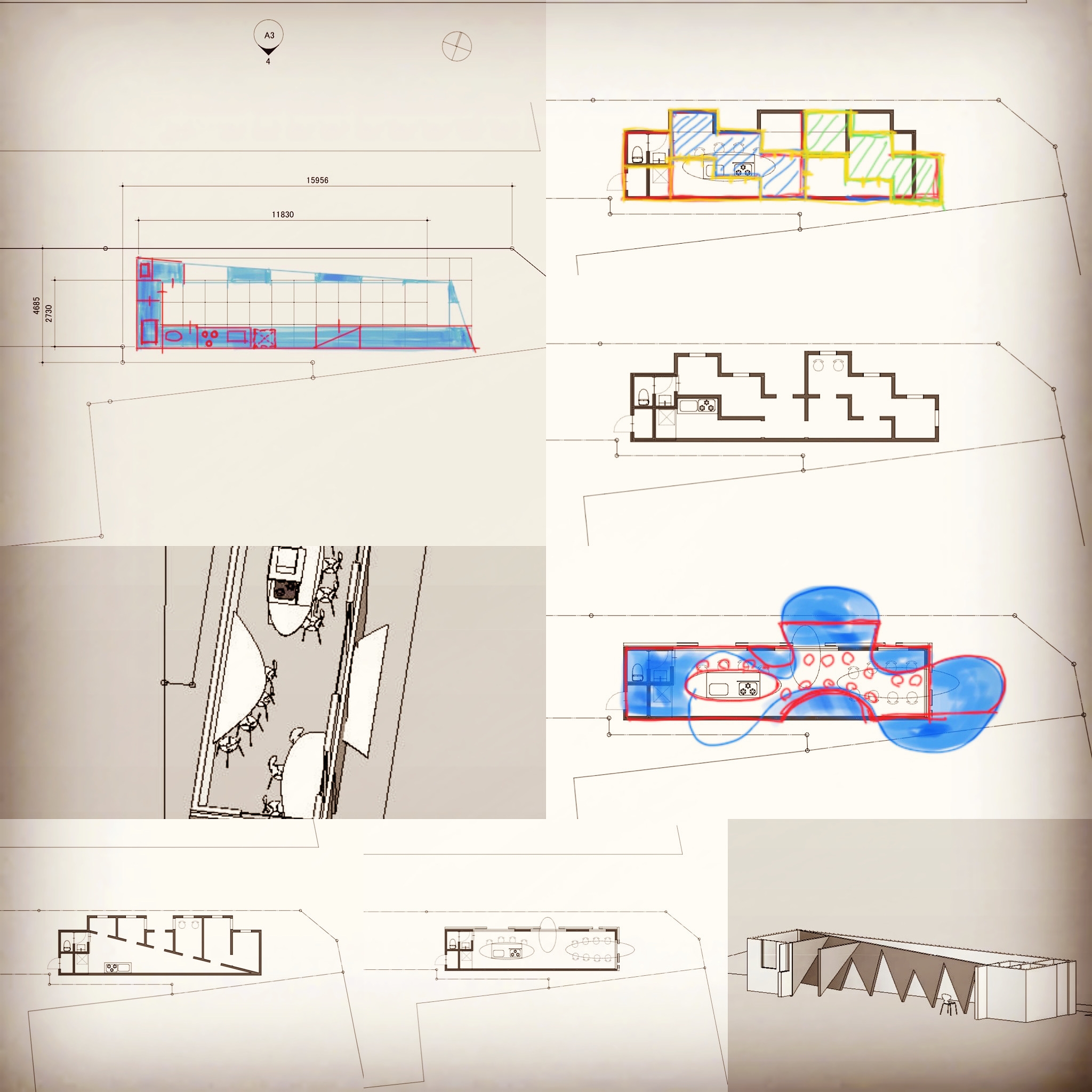
たった1枚の壁が整流板のように流れをつくることもある、誘発することもある。何もない、動きもない所に壁が立ち上がり、そこに人が集い、スケール感が与えられ、様々なアクティビティと呼応しながら、人がいる範囲が空間として規定されていく。

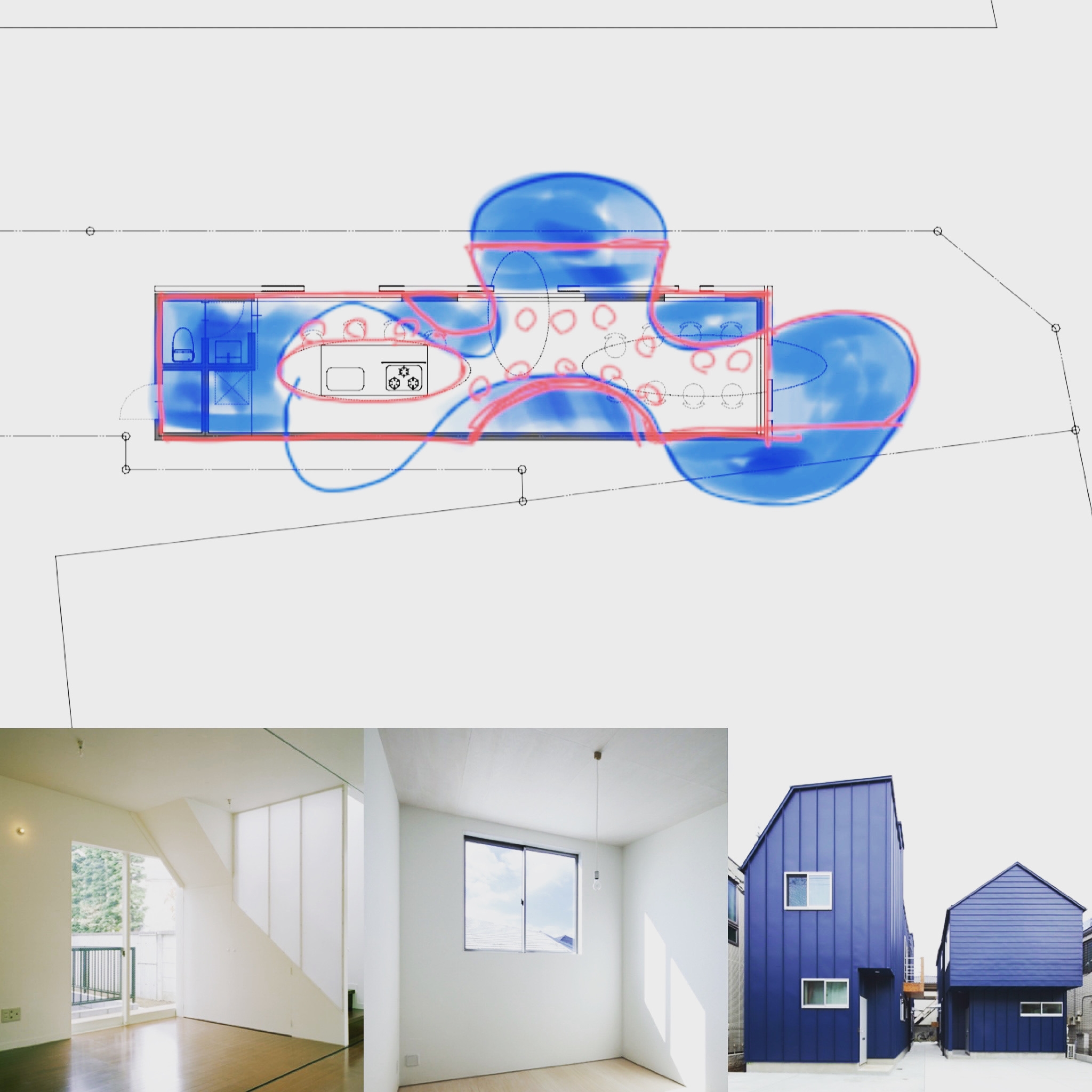
実際には敷地境界線という目には見えない線が規定されていく空間に制限を与えるが、敷地境界線を超えて空間として取り込むこと、それは意識上の話だが、借景のような境界線の超え方は誰でも意識できる。
E63D301D-CAAA-4865-9F38-314A140B3C05.jpeg

都市の中で建築を考えた場合、敷地境界線ほど強い制限はないかもしれない。絶対に実際に超えられない線である。しかし、何らかの方法で超えたように思わせたいといつも考えを巡らせる。

"Cross the border"

A single wall can create or induce a flow like a baffle. A wall rises in a place where there is nothing and no movement, people gather there, a sense of scale is given, and the range where people are present is defined as a space while responding to various activities.

Actually, it limits the space where the invisible line called the site boundary line is defined, but it is a conscious story to take in as a space beyond the site boundary line, but the boundary line like a borrowed landscape Anyone can be aware of how to overcome it.

When considering architecture in a city, there may not be as strong a limit as the site boundary. It is a line that can never actually be crossed. However, I always think about how I want to make it seem like I've exceeded it in some way.

リンク

空間は発生するもの

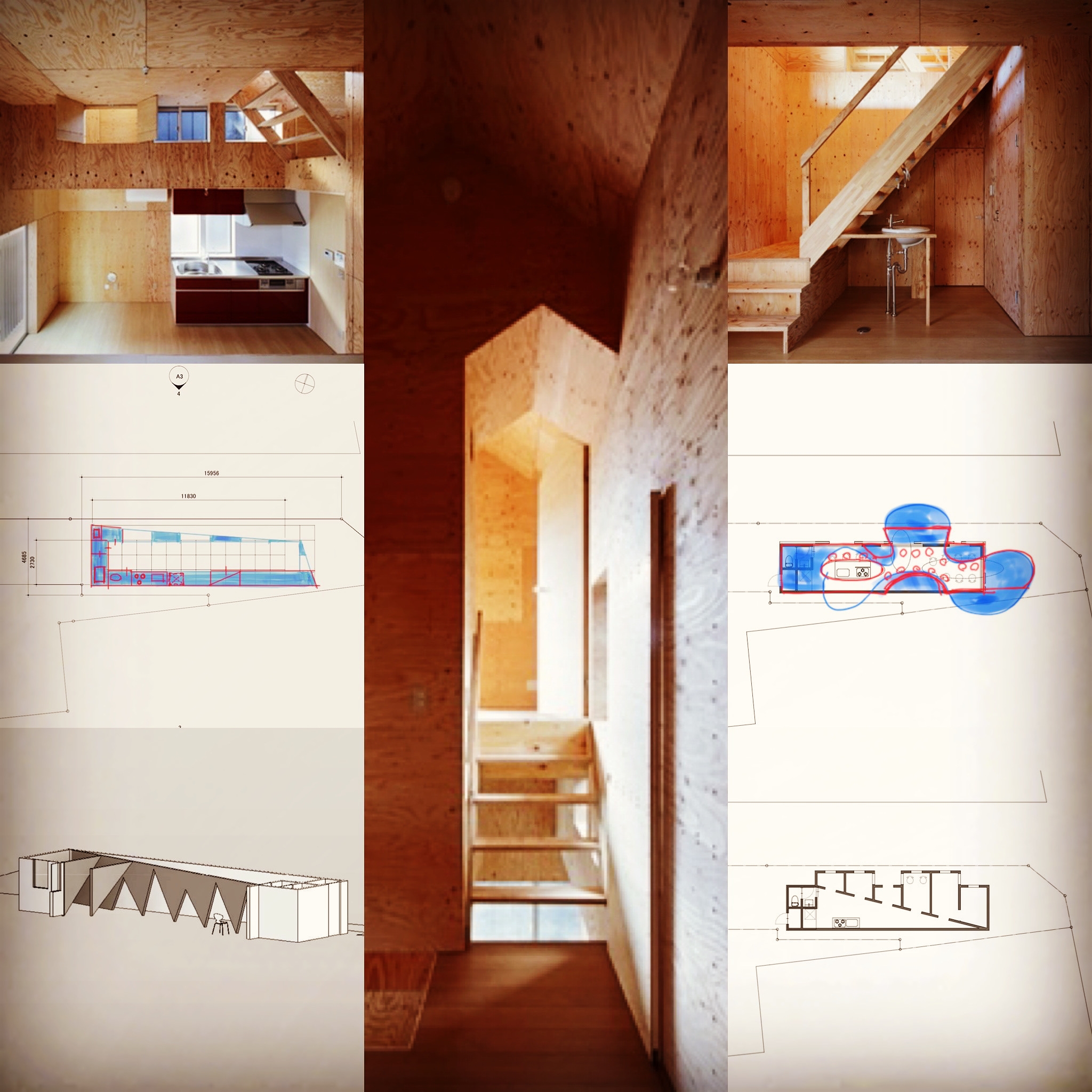
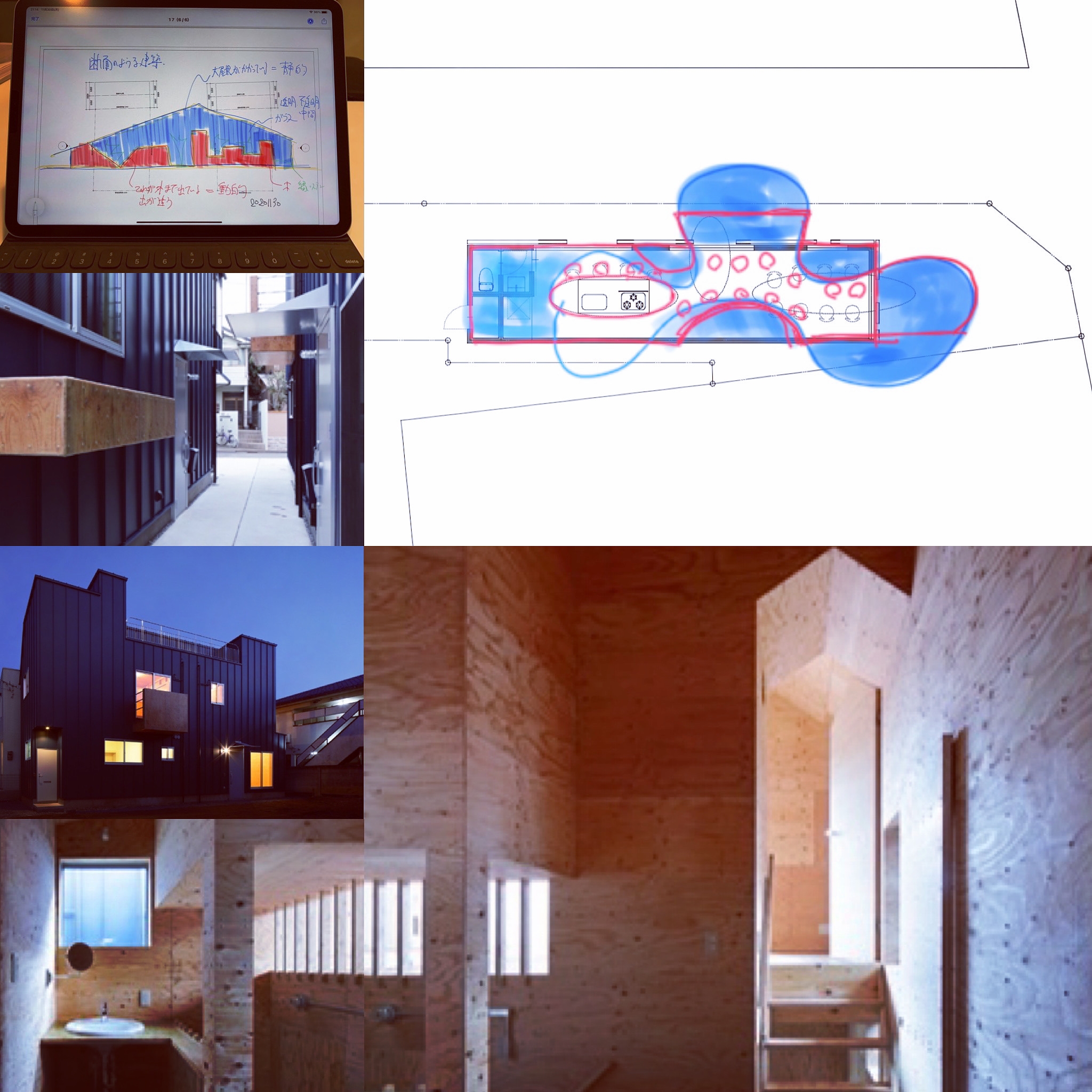
空間を発生させる物は何かと考えている。水面に石を投げれば波紋が広がるように、何かがあれば伝播するように空間が発生するというか、特定の空間として感じられるようにするには何が必要かと考えている。

建築的には空間は発生するものとは考えない。空間は構築するもので、意図的にはじめに範囲を定めて空間を規定する。空間は発生するものだと考えれば、構築的に建築を考えないようになり、発生させる物は何かと、物の持つ個体としての魅力や性質や本質に目が行くようになる。

7A1570B1-8499-4458-81A7-2B51BCD0E5CC.jpeg

建築を物として捉えようとするならば、空間は発生するものだと考えた方が自然であり、水面の波紋のように広がるのであれば、敷地境界線を超えて空間として影響を与えることができる。

"Space is what happens"

I am wondering what creates space. I'm thinking about what is needed to make a space feel like a specific space, such as a space that spreads when a stone is thrown on the surface of the water and propagates if something happens.

Architecturally, I don't think that space will occur. Space is to be constructed, and the space is intentionally defined by first defining the range. If you think that space is something that occurs, you will not think about architecture constructively, and you will be able to see what you generate and the attractiveness, nature, and essence of the individual thing.

If you want to think of architecture as an object, it is more natural to think that space is generated, and if it spreads like ripples on the surface of the water, it can affect the space beyond the boundary of the site. it can.

リンク

壁と窓と床

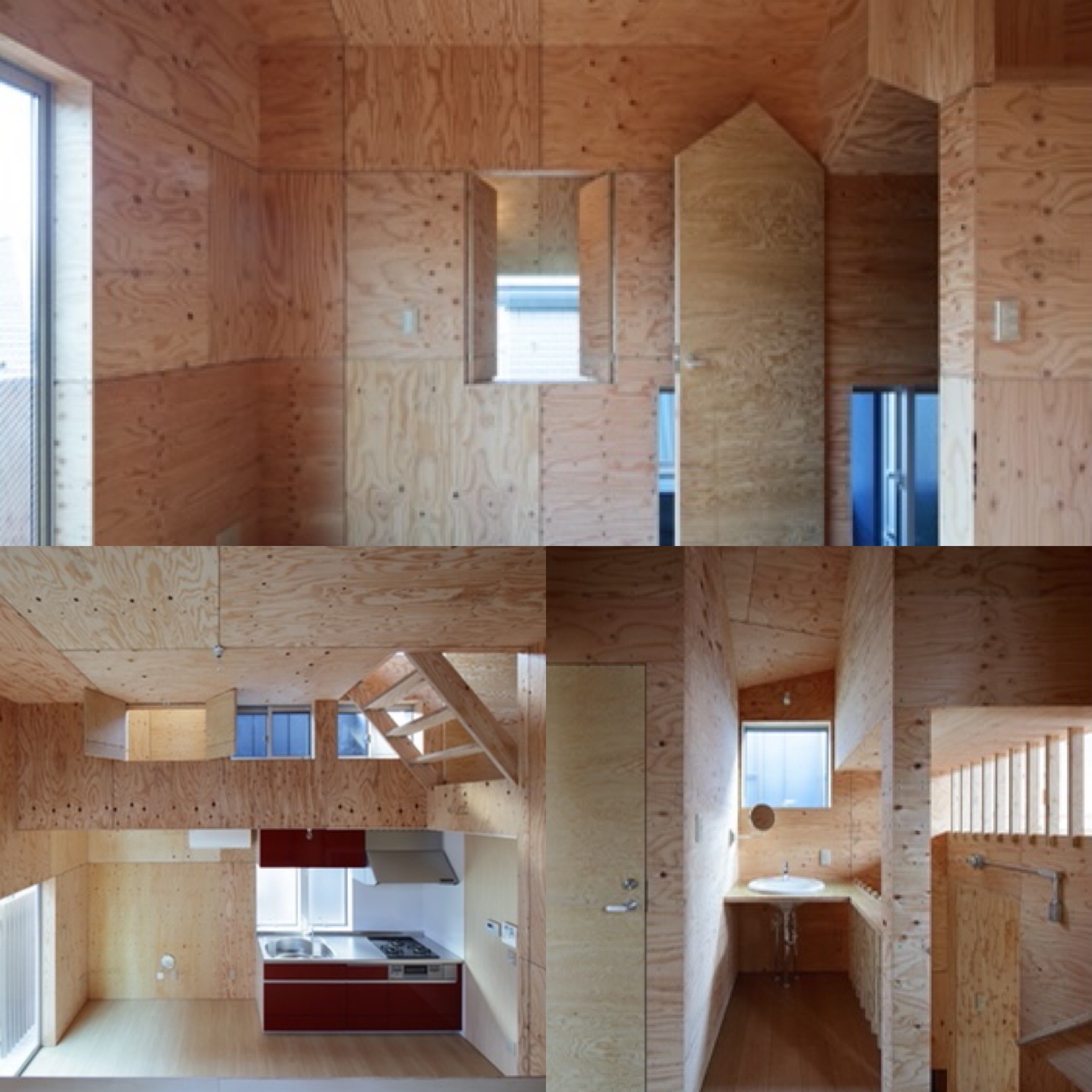
壁と窓と床が人の姿勢に沿うように織りなして存在すれば、そこにはひとつの囲われた空間ができる。天井や屋根で蓋をしないと空間にならないような気もするが、無くても、壁があれば人は囲われ感を抱き、高い天井のホールなどのように空間を感じる。

大地があれば床もいらないような気がするが、人の姿勢に沿うためには「立つ」「椅子に座る」「床に座る」のこの三段階の人の姿勢に対応する床面は必要になる。壁と窓を利用して「椅子に座る」姿勢に対応すれば、壁と窓と床で空間になる。

398478EB-023B-44DB-83AB-48FCD76040F8.jpeg

壁と窓と床の関係性の見直しになるのかもしれないが、壁と窓と床の違いがはっきりとしない曖昧な様をイメージしている。

"Walls, windows and floors"

If the walls, windows, and floor are woven together to match the posture of a person, there will be an enclosed space. I feel that it wouldn't be possible to create a space without a lid on the ceiling or roof, but even without it, people would feel surrounded by the walls and feel the space like a hall with a high ceiling.

I feel that if there is earth, I don't need a floor, but in order to follow the posture of a person, it is necessary to have a floor surface that corresponds to the three stages of "standing", "sitting on a chair", and "sitting on the floor". become. If you use the walls and windows to support the "sitting on a chair" posture, the walls, windows, and floor become a space.

It may be a review of the relationship between walls, windows and floors, but I imagine that the difference between walls, windows and floors is not clear and ambiguous.

リンク

窓の効用

室内の温熱環境を考えていると窓に振り回られる。窓が無いと日射が入らないので暗いし寒いし、しかし、窓が有るとそこから熱が逃げる。これはあくまでも冬の場合で、夏は逆に窓が有ると日射が入り暑くなり、窓が無いと影になり暑さがやわらぐが風が入らない。全館空調を1日中行えば、窓の存在に左右されないが省エネでは無い。

今の冬の時期の晴天の昼間に窓際が寒いのは、窓の断熱性が脆弱だからである。南面以外の窓は断熱性の高いサッシと室内側に断熱性の高い付属部材を設置しないと、ブラインドやレースカーテンでは不十分、窓際にストーブを置いても熱は外に逃げる。ところが、今の時期、晴天だと南面の窓には電気ストーブ1台分の熱量があるので、レースカーテンも開けて熱を室内に取り入れたい。

0FA50089-DAF6-4264-A25C-6A04B7C8E796.jpeg

ただ、このような簡単なことがわかっている専門家が実は少ない。

"The utility of windows"

When thinking about the thermal environment in the room, it is swung around by the window. Without windows, it's dark and cold because sunlight doesn't enter, but with windows, heat escapes from there. This is only the case of winter, and on the contrary, in summer, if there is a window, sunlight enters and it becomes hot, and if there is no window, it becomes a shadow and the heat softens, but the wind does not enter. If the entire building is air-conditioned all day long, it will not be energy-saving, although it does not depend on the presence of windows.

The reason why the windows are cold during the sunny day of this winter is that the heat insulation of the windows is weak. For windows other than the south side, blinds and lace curtains are not enough unless a highly heat-insulating sash and highly heat-insulating accessories are installed inside the room, and even if a stove is placed near the window, heat escapes to the outside. However, at this time of year, when the weather is fine, the window on the south side has the amount of heat for one electric stove, so I would like to open the lace curtain to take in the heat indoors.

However, there are actually few experts who know such a simple thing.

リンク

窓から壁に

窓と壁の関係性を考えてみると、カーテンウォールは壁が透明又は半透明になり光を通すから、壁が窓になったものといえるだろう。では窓が壁になることはあるだろうか。そもそもカーテンウォールの場合を除けば、窓と壁は全く別物として扱われることが多い。

壁に空けられるのが窓であり、窓があり周りに壁がつくられるようには考えない。

B0269E67-8AEA-4A34-A453-52F08DC62F4A.jpeg

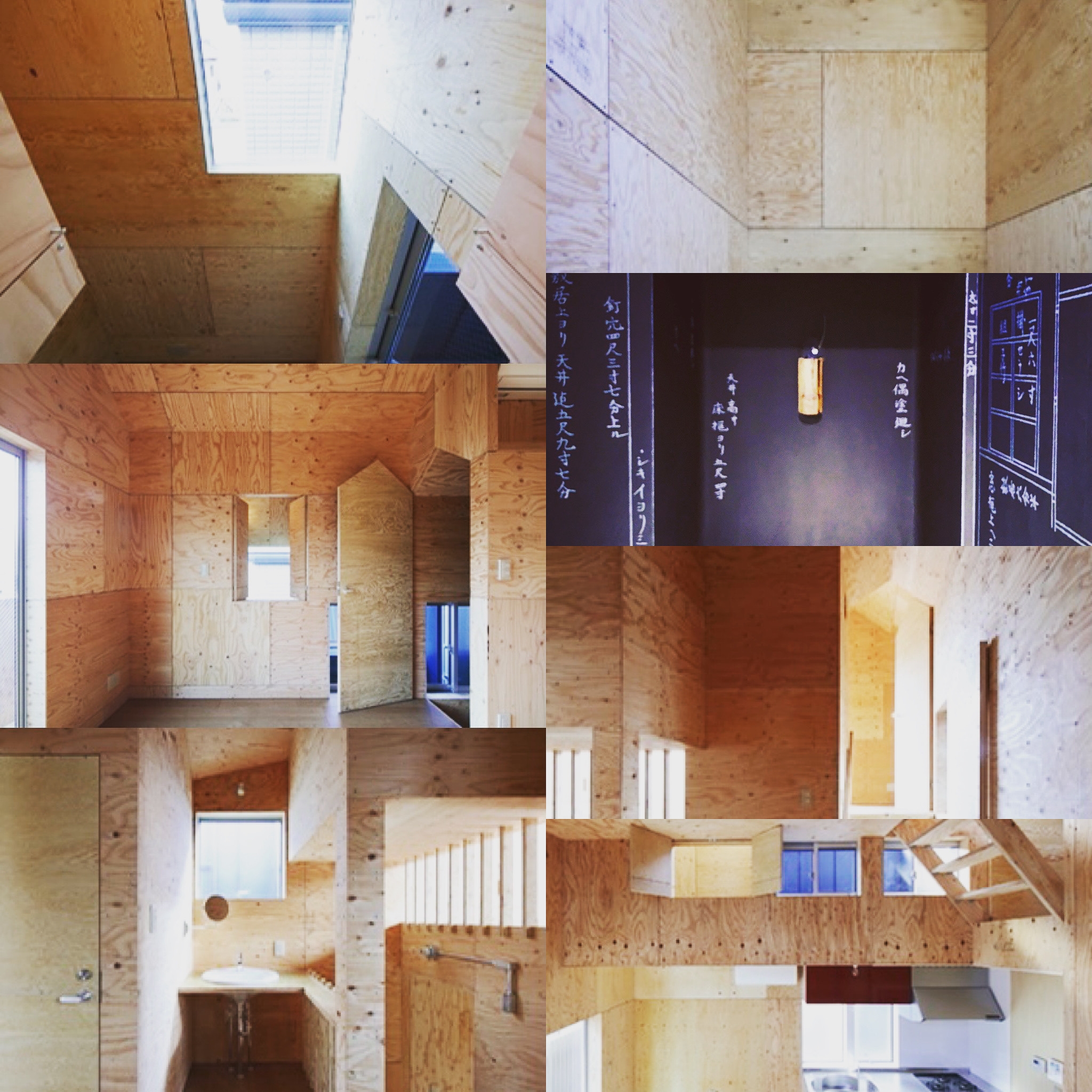
では、どのような窓にするかが先にあり、その延長線上で窓が変化して壁になるようなイメージをしてみるとどうなるだろうかとわざと考えてみる。

"From the window to the wall"

Considering the relationship between windows and walls, curtain walls can be said to be windows because the walls are transparent or translucent and allow light to pass through. So can windows become walls? Except for curtain walls in the first place, windows and walls are often treated as completely different things.

It is a window that can be opened in the wall, and I do not think that there is a window and a wall is created around it.

Then, what kind of window should be used first, and I wonder what would happen if I imagined that the window would change to become a wall on the extension line.

リンク

見え方の変化

人の姿勢からのスケールと窓と壁を合わせて何かまとまらないかと考えている。窓は壁の一種として、窓がフレームの役目では無く、壁の違う見せ方として、窓と壁の関係性をつくり、人の姿勢によるスケール感の違いに寄り添うように窓が存在するならば、人と窓の関係性ができ、その結果、人と窓と壁の関係性ができ上がる。

557856C3-65EE-480C-8EFF-0AFFC8323FF6.jpeg

人と窓と壁の関係性で空間が成り立つならば、アクティビティを持つ人が可変要素になり、空間の見え方が変化する。

"Change in appearance"

I'm thinking about how to put together the scale from the human posture and the windows and walls. A window is a kind of wall, and the window is not a frame, but a different way of showing the wall. A person-window relationship is created, and as a result, a person-window-wall relationship is created.

If the space is made up of the relationship between people, windows, and walls, the person with the activity becomes a variable element, and the appearance of the space changes.

リンク

姿勢のスケールを持ち込む

コルビュジエは人のスケールを基本にして空間のスケールを決めていた。空間のスケールを感覚的に感じるのは人であるから、人自身の大きさや手足の長さを基準にするのは理にかなっている。そこで人の姿勢を空間のスケールの基準にしてみようと考えた。

立つ、椅子に座る、床に座るのこの三段階の人の姿勢を基準にして空間のスケールを建築的に表現しようと思う。「立つ」はアクティビティを追加して「歩く」でもいいかもしれない。

建築要素との関連でいえば、「立つ」あるいは「歩く」は床と壁、「椅子に座る」は建築化された椅子になる壁か床、「床に座る」はもちろん床が対象になり、三段階の人の姿勢のスケールを持ち込んで各部位をデザインしてみる。

A23A79EB-4543-4451-A5D5-A4773EE51D52.jpeg

今現在、店舗を計画中なので、住宅よりはシンプルに三段階の人の姿勢のスケールをデザインに持ち込みやすいかもしれない。

"Bring a posture scale"

Le Corbusier decided the scale of space based on the scale of human beings. Since it is the person who feels the scale of space sensuously, it makes sense to base it on the size of the person and the length of the limbs. So he decided to use the posture of a person as a reference for the scale of space.

I would like to architecturally express the scale of space based on the postures of people in these three stages: standing, sitting on a chair, and sitting on the floor. "Standing" may be "walking" with additional activities.

In relation to architectural elements, "standing" or "walking" is the floor and walls, "sitting on a chair" is the wall or floor that becomes an architectural chair, and "sitting on the floor" is of course the floor. Let's design each part by bringing in a scale of human posture in three stages.

Currently, we are planning a store, so it may be easier to bring a scale of three levels of human posture into the design rather than a house.

リンク