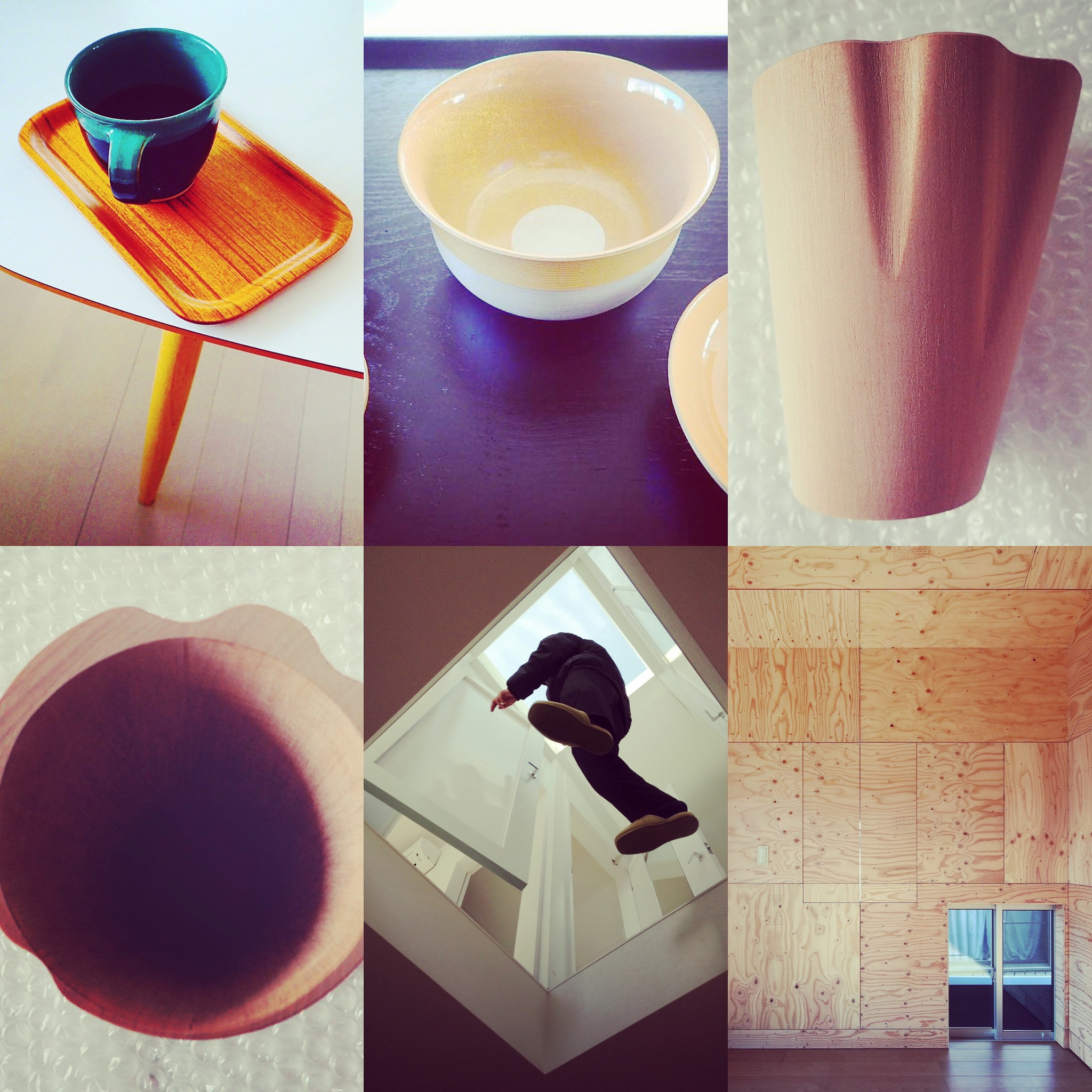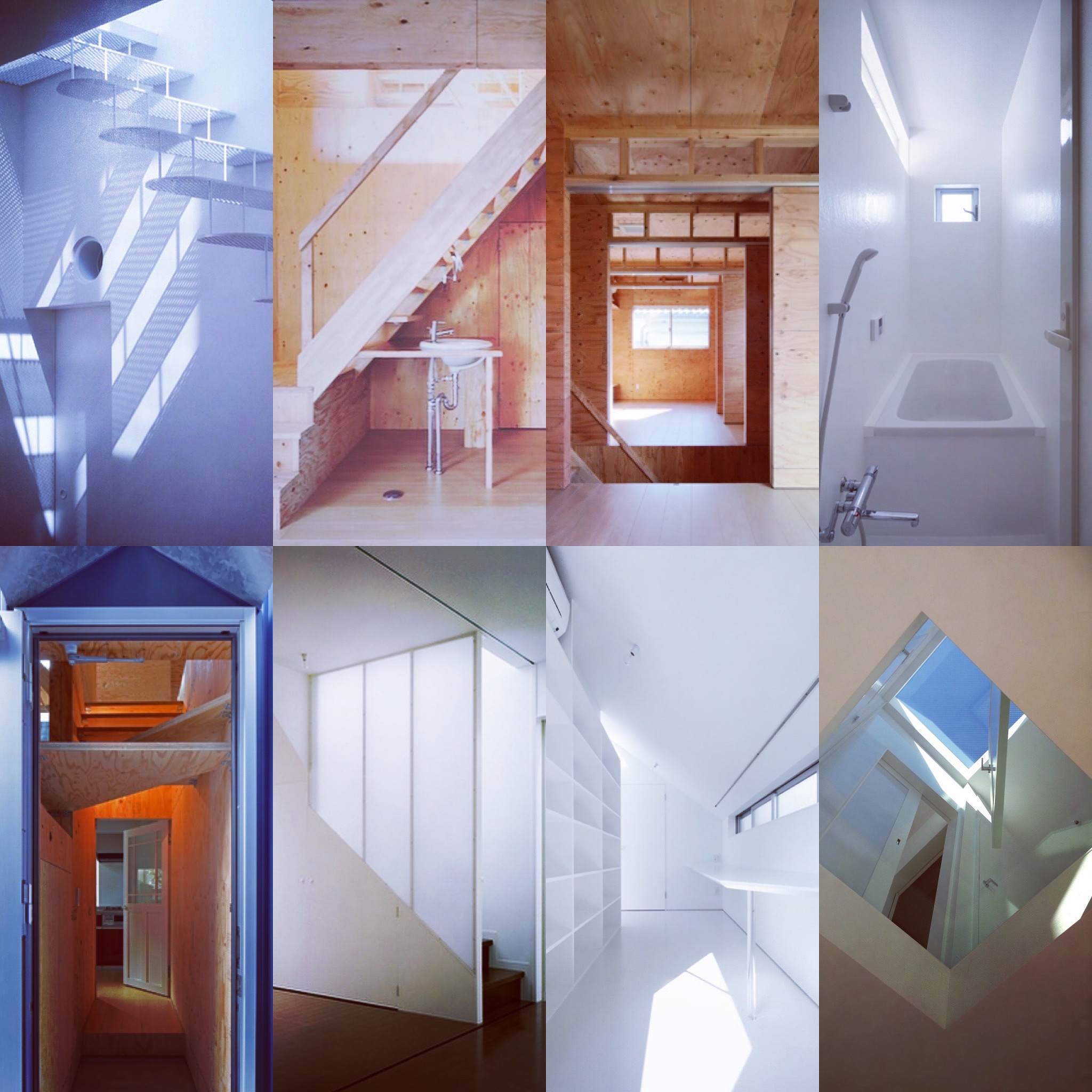
付随が価値を決める

物に付随していることを扱う方が直接物を扱うより可能性があると考えている。

物を直接扱う場合は物の質を問うことになり、質の良し悪しが物の直接的な価値を決めることになる。質の悪い物をつくる気は無いつし、質の悪い物でいい訳では無く、質の良い物をつくろうとするが、質に焦点を当てると価値判断にコストが付き纏い、コストが直接的に価値を決める場面が出てくる。
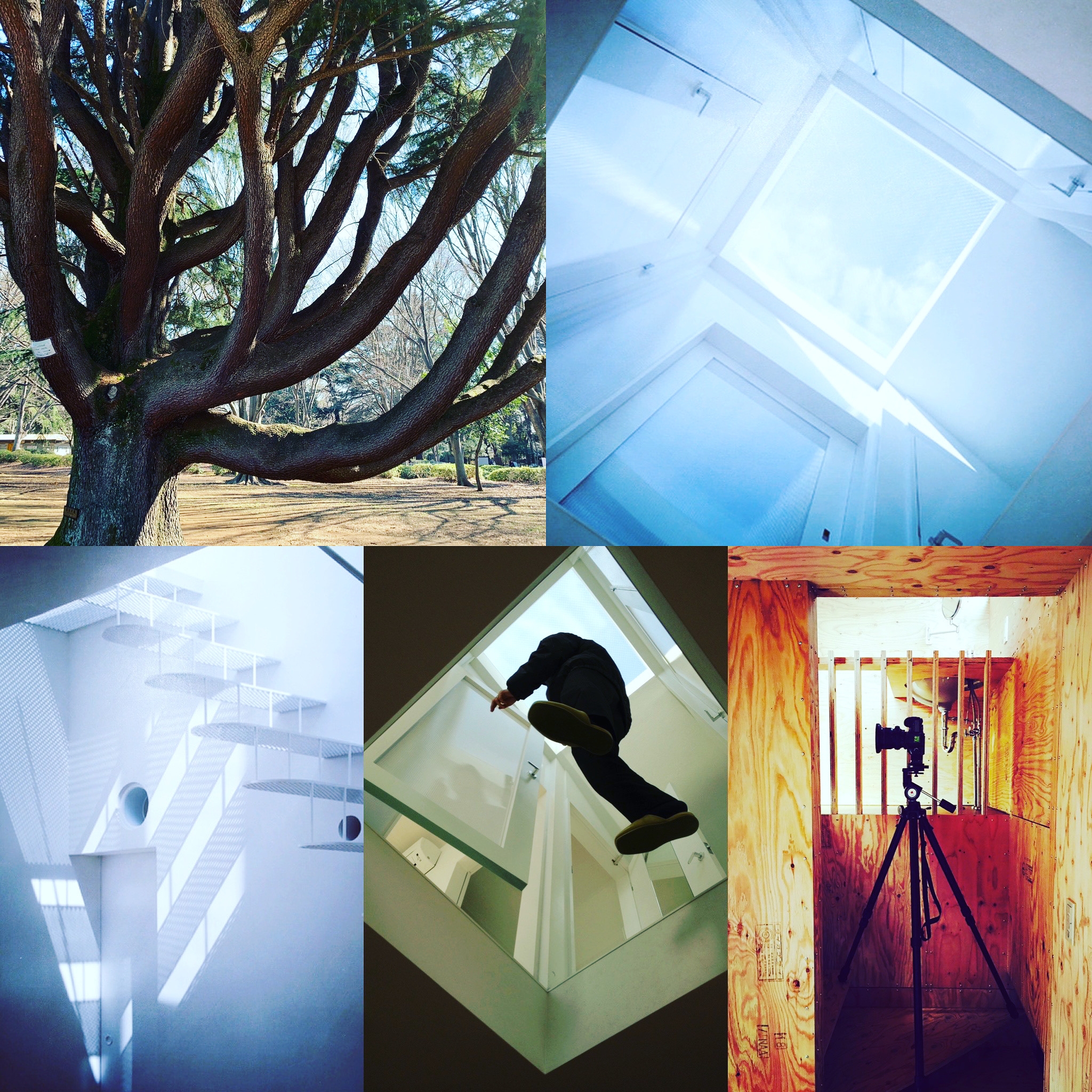
C2F8897B-9E79-4E43-AE2A-913734F7577A.jpeg

しかし、物に付随していること、例えば、物の見せ方に焦点を当たれば、価値判断をコストで左右されにくく、別の要素が価値を決めるようにできる。

"Attachment determines value"

I think it is more possible to deal with things that accompany things than to deal with things directly.

When dealing with things directly, the quality of the things is questioned, and the quality of the things determines the direct value of the things. I have no intention of making poor quality products, and I am not good at making poor quality products, but I try to make good quality products, but if I focus on quality, the cost is attached to the value judgment, and the cost is direct. There will be a scene where the value is decided.

However, if we focus on what is attached to an object, for example, how it looks, the value judgment can be less cost-sensitive and another factor can determine the value.
リンク

付随していること

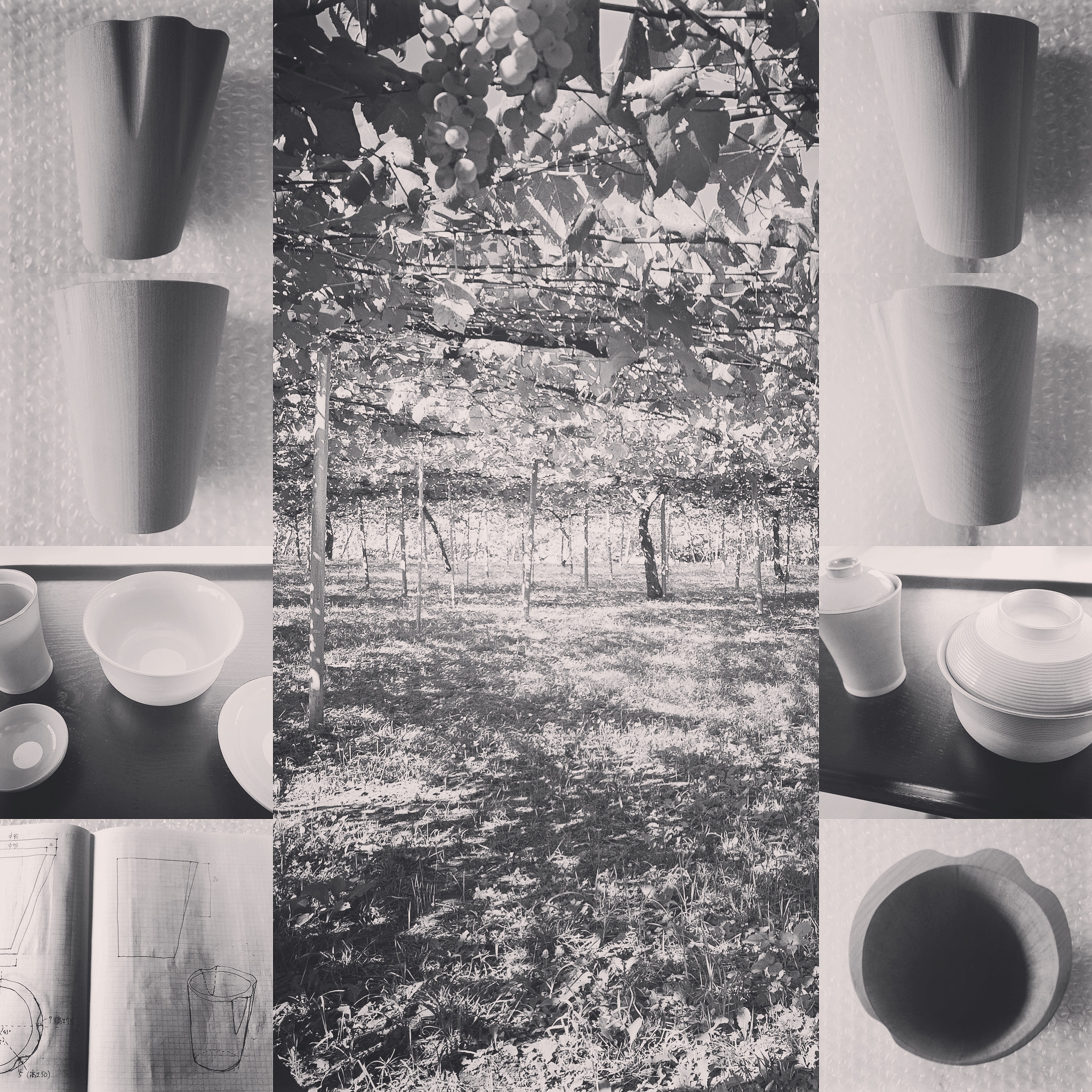
見え方をデザインすることは見えているものをデザインすることとは違う。見え方を変えれば、見ているものが同じでも、違うものに見えるかもしれない。

見ているものをデザインすることは物を直接扱うことになるが、見え方をデザインすることは物を間接的に捉えることになり、直接扱うのは物に付随していることである。

8275F800-070C-4CA5-A460-D389091DE0AF.jpeg

付随していることは有形無形いろいろあるが、今ここにあることに直結していることで、物の存在に直に関わることだと考えている。

"Attachment"

Designing what you see is not the same as designing what you see. If you change the way you look, it may look different even if you are looking at the same thing.

Designing what you are looking at deals with things directly, but designing how you see them indirectly captures things, and dealing directly with things is attached to them.

There are various tangible and intangible things that accompany it, but I think that being directly connected to what is here now is directly related to the existence of things.

リンク

物そのもの

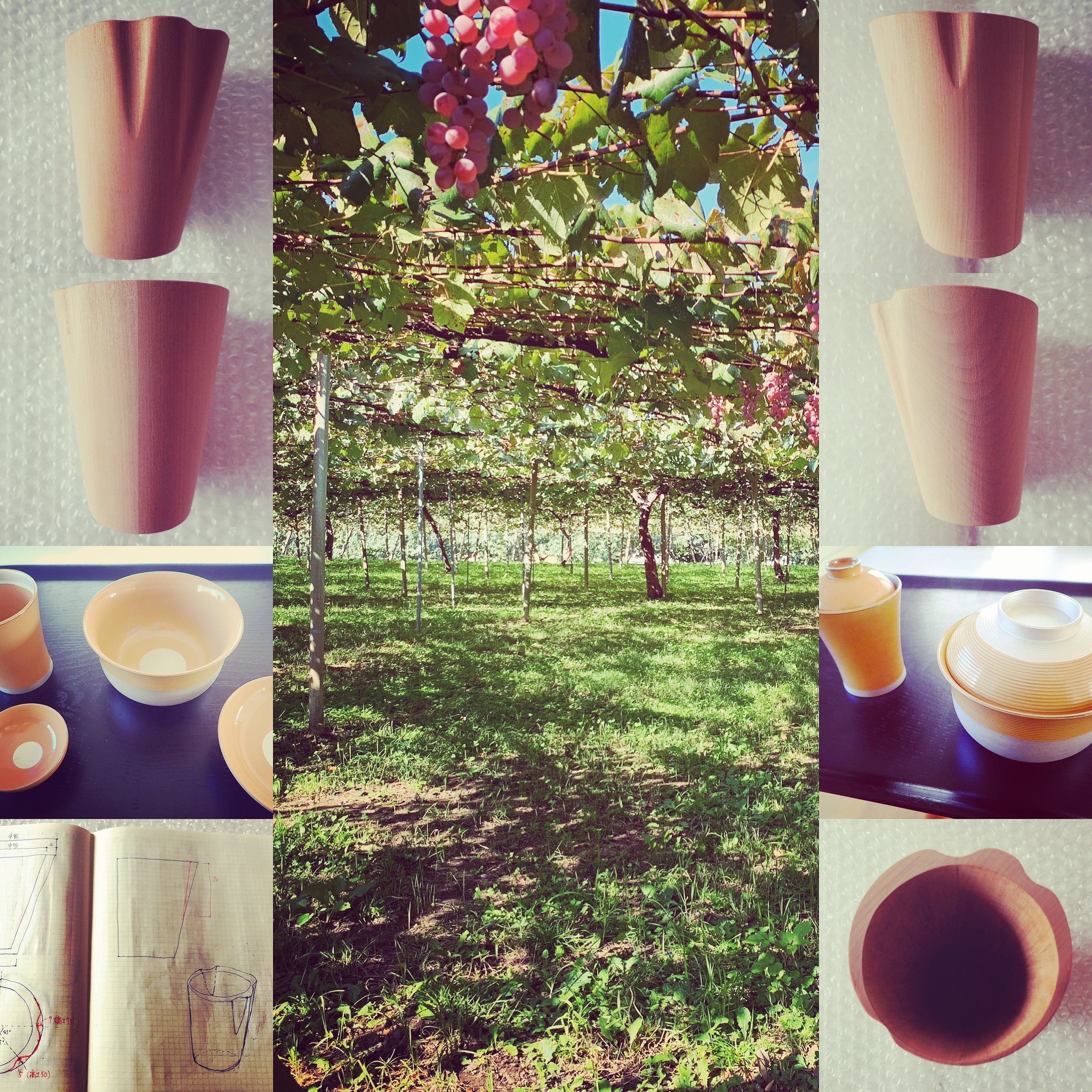
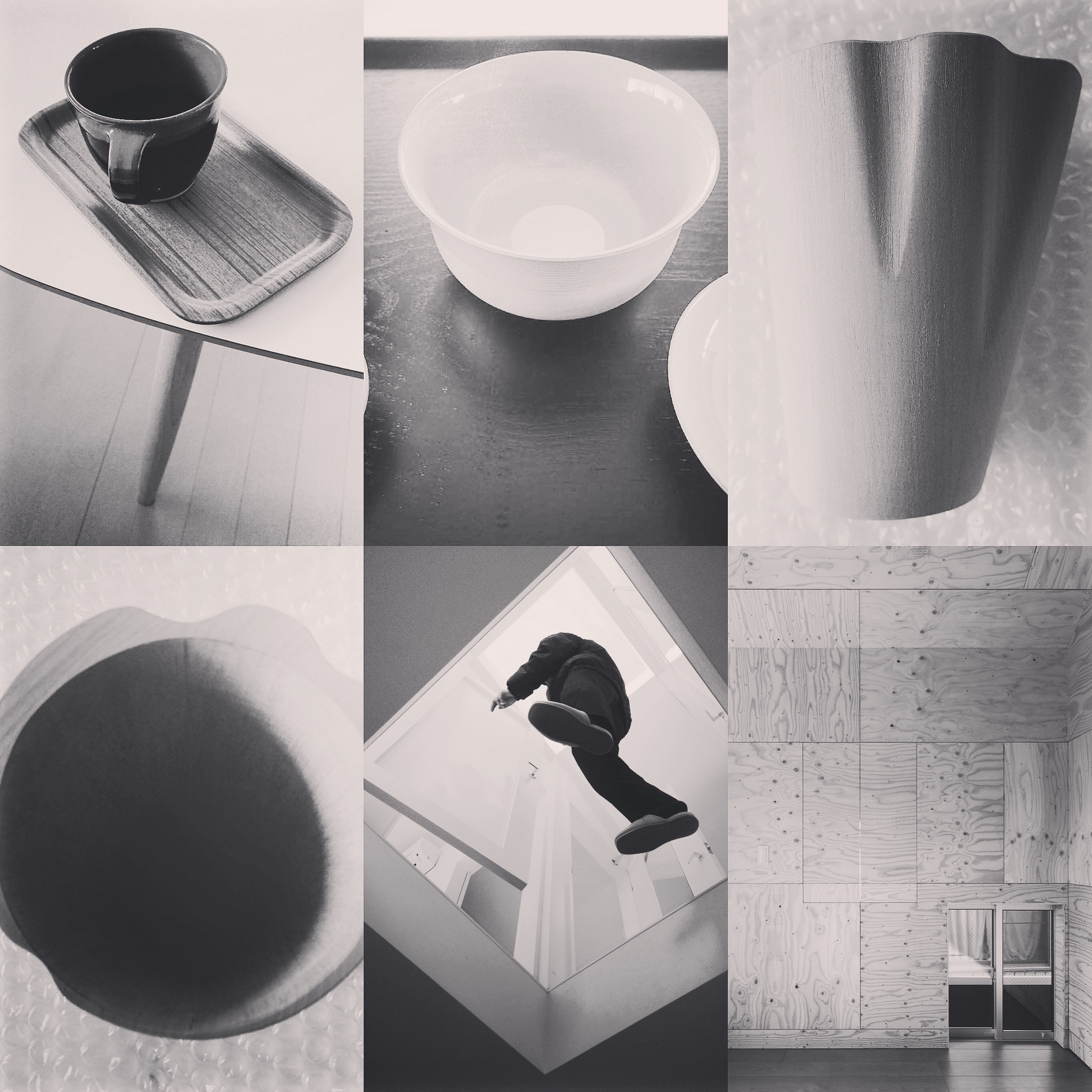
どう見せるかを考える時にそのまま物を見せるより、物が見える現象に注目して、その物の見え方をコントロールしたいと考えた。物がそこにあることと物が見えることは等しいことでは無く、そこにあることをデザインすることと見え方をデザインすることも違う。

C1A0931C-76BC-4893-9E4F-DC66A44C27CD.jpeg

見え方に注目してみた。その物がどうであるかより、どう見えるかを扱った方が物そのものの存在に迫れるような気がしている。

"The thing itself"

Rather than showing things as they are when thinking about how to show them, I wanted to focus on the phenomenon of seeing things and control how they look. It is not the same that an object is there and an object is visible, and designing what is there is also different from designing how it looks.

I paid attention to how it looked. I feel that it is closer to the existence of the thing itself when dealing with what it looks like rather than what it looks like.

リンク

何が美しいのか

何を美しいと思うのだろうか。美しいという基準は人から植え付けられる。いま一度、赤子に戻り美しさを問い直すと疑問が湧く。美しさの常識が嘘に思える。ここで分かれ道です、どうするか、美しさの常識に乗る方が安心でき、確実で、破綻しない。ただ、自分の中にある美しさと一致しないかもしれない。破綻が怖い人が多いだろう、積み上げが無になるから。積み上げが無い人にとっては自分の中にある美しさが尊い。

6A421A4E-6A28-4D08-8EBA-4505387862B8.jpeg

"What is beautiful"

What do you think is beautiful? The standard of beauty is planted by humans. When I go back to the baby and ask the beauty again, I have doubts. The common sense of beauty seems to be a lie. This is a fork in the road, and it's safer, more reliable, and unbreakable to follow the common sense of beauty. However, it may not match the beauty within me. Many people are afraid of bankruptcy, because there will be no stacking. For those who do not have a stack, the beauty within them is precious.

リンク

変化する美しさ

何かを見せるにしても、そのまま見せることに興味が湧かない。どれだけ美しいものでも美しさを前面に出すだけではつまらない。絶対的な美しさは素晴らしいが飽きる。飽きないためには常に変化する要素が必要である。常に変化する要素を得るために相対的な美しさを求める。相対的とは比較であり、美しさも比較する対象があって成り立つ。比較する対象を必要とすることは、比較する対象によって美しさが変化するということである。

94B2EB3B-2F7E-4424-8AC7-7E0D5BBCABD3.jpeg

"Changing beauty"

Even if I show something, I'm not interested in showing it as it is. No matter how beautiful it is, it's boring just to bring it to the fore. Absolute beauty is wonderful but tired. In order not to get bored, we need elements that are constantly changing. Seeking relative beauty to get the ever-changing elements. Relative is a comparison, and beauty also has an object to be compared. The need for an object to be compared is that the beauty changes depending on the object to be compared.

リンク

ブレークスルーの種

現状をブレークスルーには、違和感のような小さなフラストレーションに目を向け、それを解消することに好奇心を持つといいかもしれない。

似たり寄ったり当たり前のことに違和感を持つことが多く、似たり寄ったりがたくさんあることはそれがその業界の今の正解かもしれないが、たくさんあることに違和感を持ち、そもそも似たり寄ったりと思う時点で自分には興味の無いものになっている。

D2DDB4B0-22D7-4BCA-9704-99EC69F31FFD.jpeg

当時者が気づかない違和感を持つことができれば、それだけでブレークスルーの種はできたかもしれない。

"Seeds of breakthrough"

To break through the status quo, it may be good to look at small frustrations such as discomfort and be curious about eliminating them.

There are many things that are similar or close to each other, and it may be the correct answer in the industry that there are many similarities, but it is strange that there are many things that are similar to each other in the first place. At the time I think about it, I'm not interested in it.

If the person at that time could have a sense of incongruity that he did not notice, that alone might have created a breakthrough seed.

リンク

空間には未知の体験が必要

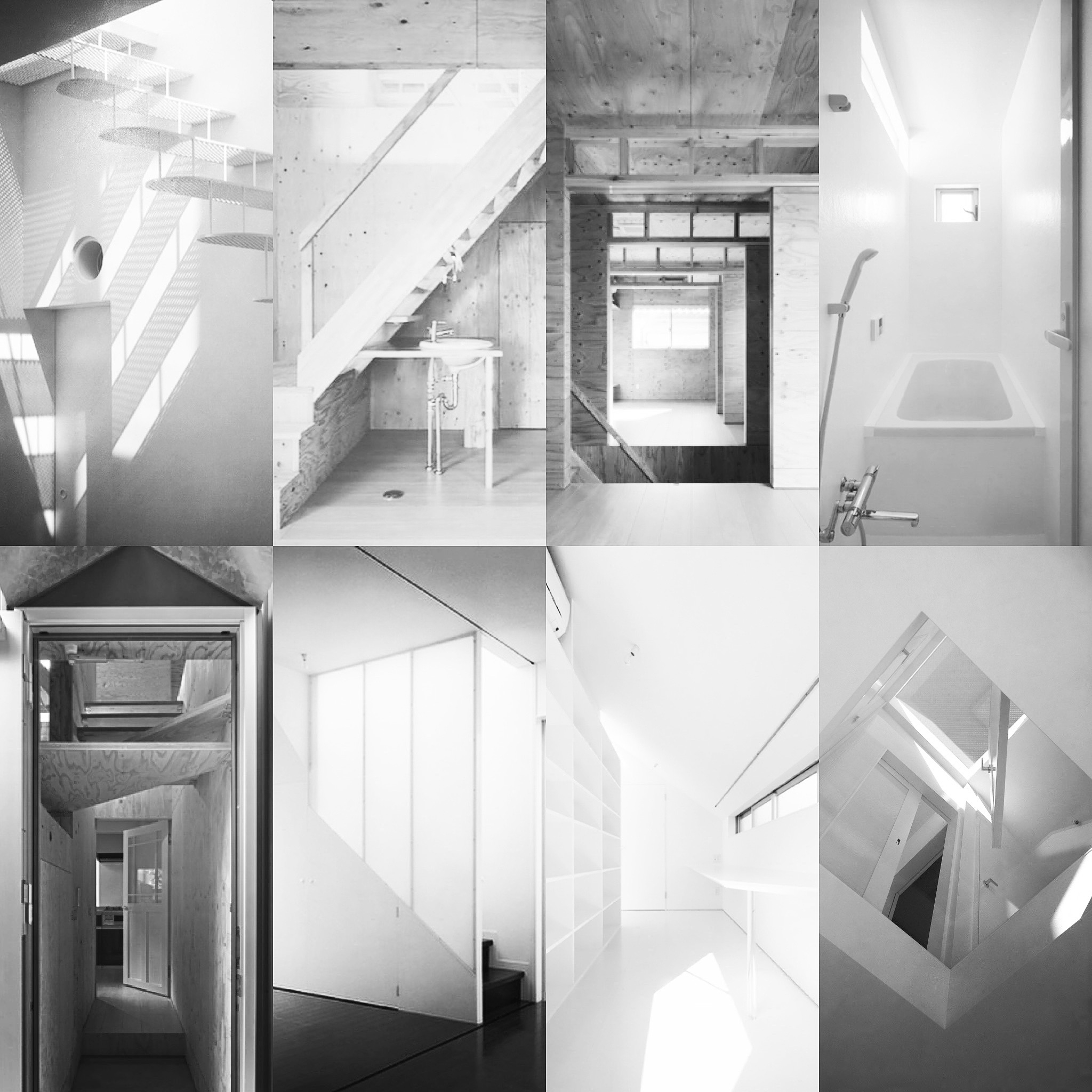
人が影響を与える空間では人の根源的な欲望を刺激する必要がある。人が影響を与えるには、人がアクティビティをする必要があり、アクティビティのきっかけが必要になる。そのきっかけが根源的な欲望を刺激されることであり、空間が人の根源的な欲望を刺激する存在である必要がある。

23E399DA-CEEB-4DFA-929C-4AE290DE170D.jpeg

根源的な欲望は好奇心と言い換えてもいいかもしれない。好奇心にもいろいろと種類があり、人により違うかもしれないが、わかりやすいのは未知の体験に対する好奇心である。知らないものを知りたいという知識欲と相まって未知の体験は好奇心を刺激する。

"Space needs an unknown experience"

In a space where people influence, it is necessary to stimulate the person's fundamental desires. In order for a person to influence, a person needs to do an activity, and an opportunity for the activity is needed. The trigger is to stimulate the fundamental desires, and the space needs to be the existence that stimulates the fundamental desires of human beings.

Primitive desire may be rephrased as curiosity. There are many types of curiosity, which may vary from person to person, but what is easy to understand is curiosity about an unknown experience. An unknown experience, coupled with a desire to know what you don't know, stimulates curiosity.

リンク